Top MD Warns: Put This Rubber Silicone Device Between Your Toes for Immediate Neuropathic Foot Pain Relief (Try This Tonight)

Top MD Warns: Put This 1 Rubber Silicone Device Between Your Toes for Immediate Neuropathic Foot Pain Relief?

Written by Dr. Arthur Vance

Written by Dr. Arthur Vance, DPM

I’m about to upset a lot of people in the American pain treatment system.


Pain clinics.

Prescription-focused practices.

Companies making billions from nerve pain drugs.


Because what I’m about to say doesn’t protect profits.


It protects patients.


Not long ago, I read a survey from one of my patients.

In big capital letters she wrote:


“I CAN’T DO THIS ANYMORE.”


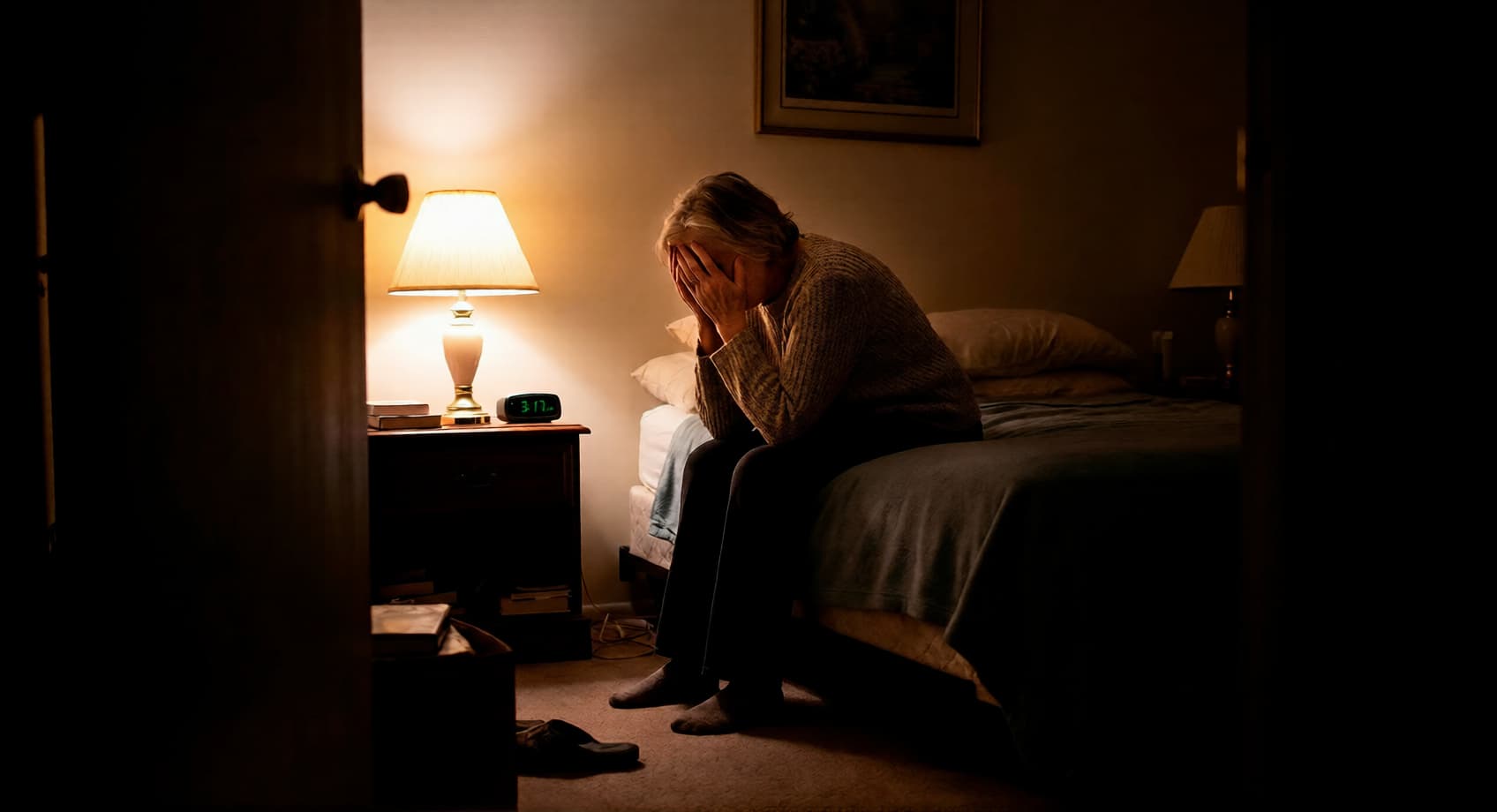
She described waking up at 2:00 AM with her feet burning so badly she had to sit on the edge of the bed and wait for it to calm down.

It felt like electric shocks in her toes.

Like her feet were on fire.


During the day, she moved carefully.

At night, she feared going to sleep.


And what was she offered?


Another prescription.

Another adjustment.

“Let’s monitor it.”


But no one truly examined her feet.


No one explained how toe crowding, poor alignment, and constant pressure inside shoes could be irritating sensitive nerves all day long.


She was treated like a diagnosis — not a person.


I’ve seen this pattern too many times:


Tingling starts.

Burning follows.

They’re told it’s neuropathy.

The medication increases.

The pain remains.


Eventually, people start believing this is just part of aging.


It’s not just pain at that point.


It’s discouragement.


My name is Dr. Arthur Vance. I’m a podiatric physician working in medical research with Hyggear.


And I am deeply frustrated with how chronic foot pain is handled in this country.


We are quick to medicate.

Slow to address the daily mechanical stress placed on the nerves inside the foot.


If your feet burn at night…

If you feel pins and needles in your toes…


You deserve more than symptom management.


That survey changed the way I look at neuropathic foot pain — and what can actually be done about it

The Night Everything Changed...

The Night Everything Changed...
I was sitting in my office late on a Thursday night, going through patient surveys from that week.


Most of them were routine.


“The pain is about the same.”

“Still managing.”

“Some days are better than others.”


Then I opened one that made me stop.


At the top of the page, in large capital letters, it said:


“I CAN’T DO THIS ANYMORE.”


Not “the pain is worse.”

Not “I’m having a hard week.”


“I CAN’T DO THIS ANYMORE.”


My stomach dropped.


She described waking up at 2:47 in the morning with her feet burning so intensely she couldn’t lie still.

She said it felt like sharp electricity shooting through her toes.

Like her feet were plugged into an outlet.


She tried dangling them off the bed.

She tried standing up.

She tried pacing the room.


Nothing stopped it.


So she sat there.

On the edge of her bed.

In the dark.

Alone.


She wrote that the nights were the worst. That everyone else was asleep while she was fighting through wave after wave of burning and stabbing pain.


And then she wrote something that shook me deeply.


She said she had started wondering how much longer she could live like this.


Not because she wanted to die.


But because she couldn’t imagine facing another night like that.


That’s when it hit me.


This wasn’t just discomfort.

It wasn’t just “aging.”

It wasn’t just a nerve diagnosis on a chart.


This was a human being losing hope.


And here’s what truly broke me…

She had done everything her doctors told her to do.


Medications.

Creams.

Special footwear.

Endless appointments.


She followed every instruction.


And still — the burning kept coming back.


One specialist kept adjusting her prescriptions.

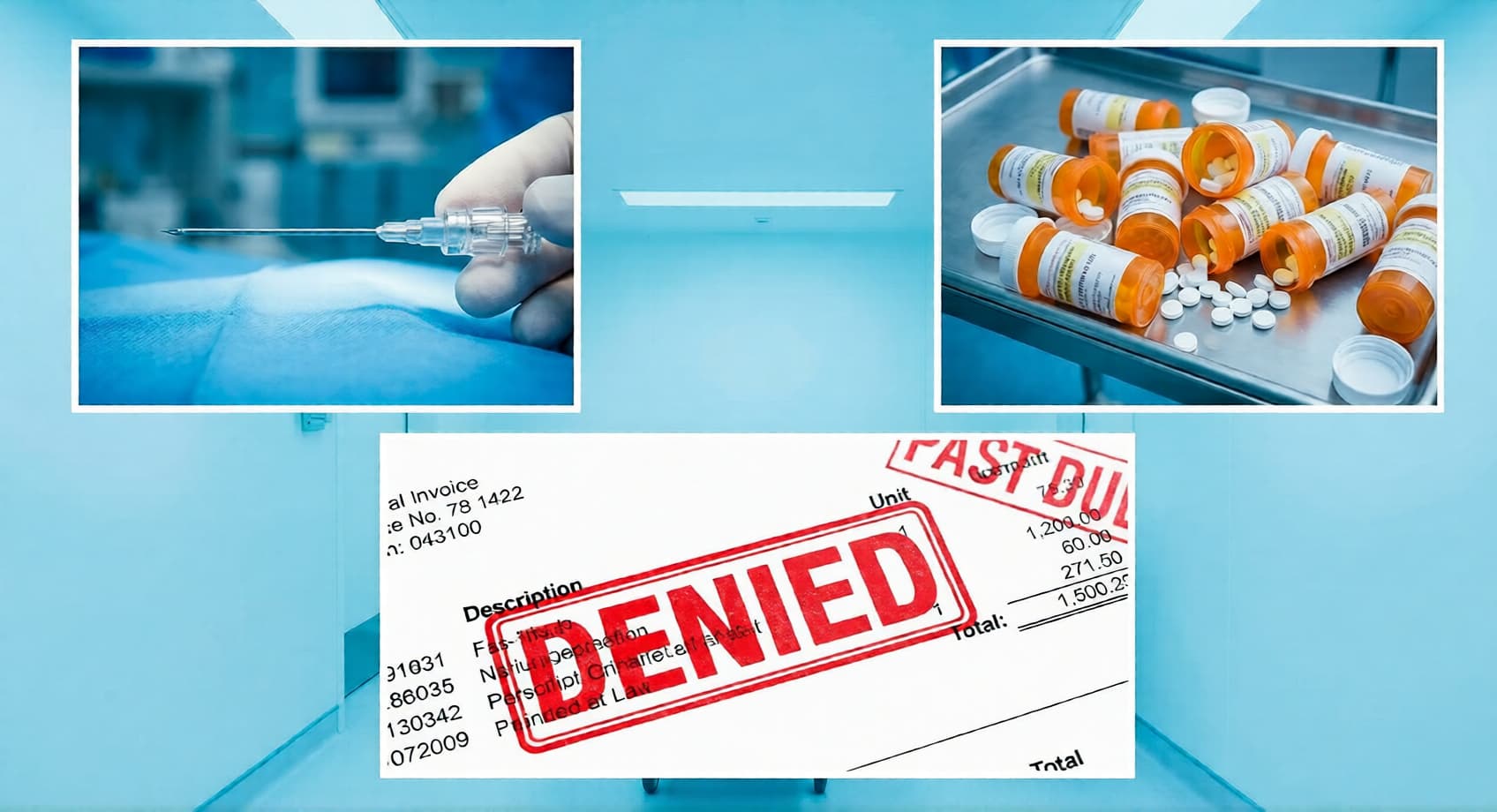
Another suggested more aggressive procedures to “block the pain.”

There was even talk of expensive implanted devices.


Thousands of dollars spent.


Relief that lasted days — sometimes only hours.


Meanwhile, she felt exhausted.

Foggy. Not like herself.

She moved less because walking hurt.

She gained weight.

She stopped enjoying simple things.


And through all of it, the burning in her feet never truly stopped.


What bothered me most was this:


No one had seriously addressed the constant mechanical pressure on her nerves.


No one explained how toe crowding, poor alignment, and compression inside shoes could irritate sensitive nerves all day long.


The focus stayed on managing pain signals — not reducing daily nerve aggravation.


I stared at her survey for a long time.


And I knew something had to change.


Because this wasn’t just happening to her.


It was happening to millions of Americans living with neuropathic foot pain.


And I wasn’t willing to accept that this was the best we could offer them.

The Unexpected and Shocking Discovery

The Unexpected and Shocking Discovery

For the next three months, I became obsessed with one question:


Why are so many people with neuropathic foot pain not getting real relief?


I read everything I could on peripheral neuropathy and foot biomechanics.

I reviewed studies most clinics never mention.

I spoke with specialists about circulation, nerve irritation, and mechanical stress in the foot.


After reading that patient’s survey, I couldn’t ignore it.


And what I found frustrated me.


The system is built around one main idea:


Control the pain signal.


Billions are spent every year managing neuropathy symptoms.


And yet millions still go to bed with burning, tingling, numb feet.


Here’s what most people aren’t told:


Neuropathic foot pain is not always just “permanent nerve damage.”


It’s not always something you simply have to accept.


Many adults show nerve changes — but don’t experience severe burning.


So if nerve damage alone doesn’t explain the pain…


What does?


In many cases, the nerves in the feet are under constant mechanical stress.


Toe crowding.

Severe bunions.

Collapsed arches.

Tight shoes compressing sensitive digital nerves all day long.


When nerves are irritated thousands of times a day, they become hypersensitive.


They misfire.

They overreact.

They burn.


Sometimes the nerve isn’t “dead.”


It’s overwhelmed.


And until we reduce that daily irritation, the burning often continues.

what's really driving your neuropathic foot pain

what's really driving your neuropathic foot pain

Picture the nerves in your feet like delicate electrical wires running through a narrow tunnel.


When you’re younger, those wires are protected.

There’s space around them.

They glide smoothly when you walk.


Signals travel normally.


But over time — especially after 50 — things change.


Toes begin to crowd.

Bunions form.

Arches collapse.

Shoes compress the forefoot.


That narrow tunnel gets tighter.


And those delicate nerve fibers start getting squeezed.


Not once.


Not twice.


But thousands of times a day.


This is what I call chronic digital nerve irritation.


The nerve itself may not be “dead.”

It may not be severed.


It’s overwhelmed.


Constant compression reduces healthy circulation.

Inflammation builds.

The protective environment around the nerve becomes irritated.


And irritated nerves don’t stay quiet.


They misfire.


They send burning signals when there is no burn.

They create electric shocks when there is no injury.

They produce pins and needles even when you’re lying still.


That’s why neuropathic foot pain often feels like:


Burning.

Zapping.

Stabbing.

Numbness mixed with fire.


It’s not always massive damage.


It’s often a nerve that never gets relief.


And here’s the uncomfortable truth:


There is far more money in managing pain signals than in reducing daily mechanical irritation.


You can bill for prescriptions.

You can bill for procedures.

You can bill for repeat visits.


But teaching patients how to reduce nerve compression?


That doesn’t generate billions.


So many people stay stuck in the cycle.


Not because nothing can be done.


But because the root aggravation is rarely addressed.

the 30 minute miracle no one is talking about

the 30 minute miracle no one is talking about

Remember the woman who wrote “I CAN’T DO THIS ANYMORE.” on her survey?


Three weeks after we changed her approach, something shifted.


The nighttime burning eased.

The electric shocks became less frequent.

She could stand and walk longer without that constant fire in her toes.


For the first time in years, she said:


“I feel like my feet are finally getting a break.”


Here’s what we did differently.


We stopped chasing the pain signal.


And started addressing the daily mechanical irritation inside her feet.


To calm neuropathic foot pain, you must do THREE things together:


1) REDUCE NERVE COMPRESSION


Crowded toes. Severe bunions. Tight footwear.


If digital nerves are squeezed all day, they stay irritated.


Space matters.


2) SUPPORT CIRCULATION


Nerves need steady blood flow.


Compression in the forefoot can restrict it.


Better alignment helps restore balance.


3) BREAK THE IRRITATION LOOP


Pressure leads to inflammation.

Inflammation increases sensitivity.

Sensitive nerves overfire.


That cycle must be interrupted.


Miss even one of these steps, and progress slows.


You cannot compress a nerve all day and expect it to stay calm at night.


THIS BREAKTHROUGH IS FRUSTRATING AN ENTIRE INDUSTRY


Because it shifts the focus away from endless symptom management…


And toward reducing daily nerve aggravation.


After her improvement, word spread quietly.


A nurse practitioner I had worked with for years approached me after clinic.


Her feet had been burning so badly she hadn’t slept flat in months.


I explained the strategy: reduce compression, improve alignment, calm irritation.


She tried it.


Later that night she messaged me:


“I don’t know what you changed… but the burning finally settled.”


Not magic.


Not a miracle.


Just a nerve that was finally given room to calm down.

The next morning, she told me she slept in her own bed for the first time in two years.


And she cried when she said it.


Not because she was hurting.


Because the burning had finally eased.


Within days, more people began reaching out.


Teachers who couldn’t stand through a full class.

Drivers who couldn’t sit without their feet going numb.

Grandparents who avoided long walks because of the fire in their toes.


They weren’t looking for another prescription.


They wanted relief.


And many of them experienced the same shift.


Not “I’m coping better.”


Not “I’m managing it.”


But genuinely calmer nerves.

Less burning.

Longer stretches of comfort.


That’s when I realized something bigger was happening.


And that’s when the threats began.

when you disrupt billion dollar pain "management" industry - they come after you

when you disrupt billion dollar pain "management" industry - they come after you

First, the pushback was subtle.


A physician I’d known for years pulled me aside at a conference and said,

“Arthur, patients are starting to ask questions. They’re wondering why no one talked to them about mechanical nerve irritation. You’re stirring things up.”


What he meant was simple:


When patients start improving without endless prescriptions…

the system gets uncomfortable.


Then the tone shifted.


Emails questioning my “approach.”

Advisors suggesting I “stay in my lane.”

Warnings that reducing nerve compression wasn’t the “standard pathway.”


The message was clear:


Stick to symptom management.


Don’t challenge the model.


Because when you build an approach that:


• Targets daily nerve compression instead of masking pain

• Can be used at home

• Doesn’t require constant appointments

• Costs less than repeated treatments


It threatens a very comfortable system.


But here’s what they didn’t expect.


I wasn’t alone.


I had already connected with a small group of engineers and clinicians who had seen the same pattern — family members stuck in cycles of burning, numb feet with no real structural relief.


Together, we refined what I had been applying in practice.


We focused on simple, non-invasive support designed to:


Reduce compression.

Improve alignment.

Calm irritation.


Not hype.


Not miracle claims.


Just giving irritated nerves the space they need to settle down.


And once that approach became accessible to everyday people…


It became much harder to ignore.

introducing the root-cause approach to neuropathic foot pain

introducing the root-cause approach to neuropathic foot pain

It’s called Hyggear Silicone Toe Separators™.


And they’re designed to support the three core needs of irritated foot nerves:


1) Reduce Daily Nerve Compression

Soft, medical-grade silicone gently creates space between crowded toes.

Less pressure means less constant irritation on sensitive digital nerves.


2) Improve Alignment & Pressure Distribution

By encouraging a more natural toe position, they help balance weight across the forefoot — reducing stress on aggravated areas.


3) Support Healthier Circulation

When toes aren’t tightly compressed, blood flow can move more freely — giving nerves the environment they need to calm down.


All three.


Working together.


In one simple, non-invasive support solution.


You simply place them between your toes and let consistent alignment do its job.


No prescriptions.

No procedures.

No constant appointments.


Just your feet finally getting what they’ve been missing:


Space.

Support.

Relief.

here is exactly how hyggear calms down the neuropathic foot pain

here is exactly how hyggear calms down the neuropathic foot pain

0–5 MINUTES: DECOMPRESS


As soon as you place the silicone separators between your toes, gentle spacing begins.


Crowded toes that have been pressed together all day finally separate.


Pressure on sensitive digital nerves decreases.


For many people, this feels like subtle relief — less tightness, less squeezing.


It’s not numbing.


It’s decompression.


And for irritated nerves, that change matters immediately.


5–10 MINUTES: RESTORE FLOW


With reduced compression, circulation improves.


Blood can move more freely through the forefoot.


Oxygen and nutrients reach areas that were previously under constant pressure.


The burning sensation often begins to soften.


The “electric” feeling may reduce in intensity.


Think of it like loosening a clamp from a garden hose.


Flow returns.


10–15 MINUTES: CALM & STABILIZE


As alignment improves and pressure redistributes across the foot, the irritation loop starts to quiet.


Less pressure → less inflammation → less nerve hypersensitivity.


The constant overfiring begins to settle.


Your toes feel lighter.


Your forefoot feels supported instead of strained.


This is the step most people miss.


You can’t calm a nerve that’s still being compressed.


After 15 minutes?


You’re not “numb.”


You’re not masking symptoms.


You’ve simply reduced one of the biggest daily triggers of neuropathic foot discomfort:


Constant mechanical stress.


And when nerves finally get space…


They often respond quickly.

the results that are leaving all proffesional podiatrists in shock

In the last 18 months, over 1,000 people have used Hyggear Silicone Toe Separators™ for burning, tingling, and neuropathic foot discomfort.


The results?


• The vast majority report noticeable relief within the first week

• Many were able to reduce their reliance on constant at-home pain remedies

• Numerous customers say they avoided escalating to more aggressive treatments


But here’s the number I’m most proud of:


Our refund rate is under very low


That means the overwhelming majority of people who try it… keep it.


Not because it’s flashy.


Not because it’s complicated.


But because when you reduce daily nerve compression and give irritated toes space —


People feel the difference.


And when something actually helps your feet feel calmer…


You don’t send it back.


Don't take my word for it. Here's what real people are saying:

the results that are leaving all proffesional podiatrists in shock

the price that is causing medical industry panic

the price that is causing medical industry panic

Let Me Show You What “Managing” Foot Nerve Pain Really Costs


The Endless Treatment Route:


• Specialist visits: $150–$300 per appointment

• Imaging scans: $1,000–$3,000

• Custom orthotics: $400–$800

• Ongoing medications & topicals: Hundreds per month

• Repeat follow-ups… again and again


Annual total?


$5,000 – $15,000+


And that doesn’t include:

Lost time.

Travel.

Copays.

Frustration.


And often… very little lasting change.


The Escalation Route:


When conservative care doesn’t “work,” the recommendations get bigger.


More injections.

More procedures.

More appointments.


Temporary relief.


Then you’re right back where you started.


Here’s the part no one talks about:


Most neuropathic foot discomfort is aggravated daily by mechanical compression.


Crowded toes.

Tight footwear.

Constant forefoot pressure.


If the irritation continues every single day…

no cream, pill, or appointment can fully calm it.


So What If You Reduced The Daily Trigger Instead?


Hyggear Silicone Toe Separators™ are designed to:


• Gently create space between compressed toes

• Help redistribute pressure across the forefoot

• Support circulation and reduce daily nerve irritation


No prescriptions.

No procedures.

No recovery time.


Just consistent structural support.


What Does That Cost?


Regular price: $59.83

Today: $28.45


Less than one specialist copay.

Less than most custom inserts.

Less than a single diagnostic appointment.


And unlike many treatments — you use them at home.


Why Is The Price So Low?


Because this isn’t a procedure.


It’s not a prescription.


It’s a simple, non-invasive support solution designed to help reduce one of the most overlooked causes of burning, tingling foot discomfort:


Constant toe compression.


When people realize they may not need another appointment…


That changes the conversation.


No hype.


No miracle claims.


Just giving irritated nerves something they’ve likely been missing for years:


Space.


And at $28.45 — it’s a low-risk way to see if reducing daily compression makes a difference for you.

but beware of fraudsters and copy-cats

but beware of fraudsters and copy-cats

This 50% discount won’t last forever. Not because we’re playing marketing games.


But because we manufacture in controlled production batches using medical-grade silicone.


We can’t just “make more” overnight.


We’ve sold out multiple times before.


And when inventory is gone — it’s gone until the next batch clears inspection.


Right now, we only have a limited number of units left at $28.45.


Once this batch runs out, the price returns to regular retail.


IMPORTANT:


We are NOT selling through third-party marketplaces.


If you see lookalike toe separators on Amazon or other sites — they are not ours.


Cheap knockoffs often:


• Use low-grade, stiff silicone

Lose shape quickly

Irritate skin instead of supporting it


The only way to guarantee you’re getting the official Hyggear version is through this page.


If you’re reading this right now, units are still available.


But I cannot promise they’ll still be available in a few days.


And here’s the reality…


Every week you wait is another week your toes stay compressed.


Another week of daily nerve irritation.


Another week of unnecessary pressure.


If compression is contributing to your discomfort, waiting won’t reduce it.


Creating space will.


While the solution is sitting right here…


For less than a single specialist copay.


Less than custom inserts.


Less than most clinic visits.


THIS 50% DISCOUNT ENDS SOON


After that, the price returns to regular retail.


If you’re going to try reducing daily nerve compression…


Now is the lowest-risk time to do it.

CHECK AVAILABILITY

my personal dr. vance 90 days "pain free or it's free guarantee

And, we get it.


You’ve been burned before.

Spent money on “miracle cures” that turned out to be expensive garbage.


So here’s our promise:


Try Hyggear for a full 90 days.

Use it consistently. Let your body adjust. Give it a real chance to work.


If you don’t feel a meaningful difference…


If you don’t wake up one morning thinking,

“Wow… my feet actually feel better”…


We’ll refund every penny.


No complicated forms.

No store credit games.

No interrogations.


Just email us at feelgreat@hyggear.com and tell us it didn’t work for you.


We’ll guide you through the quick return process and issue your refund.


Simple. Fair. Stress-free.


Why are we confident?


Because when people actually use it consistently, they’re happy with the results. And we stand behind the quality of our product.


This isn’t a gimmick guarantee.

It’s a real one.


And yes — real humans answer our emails.


If you ever need help, questions answered, or support, just reach out to:


feelgreat@hyggear.com


We care about our customers.

Period.

my personal dr. vance 90-days "pain free or it's free guarantee

Order now for an exclusive 50% discount!

Don't miss out on this incredible limited-time offer! Act fast before the discount expires.

Hurry, Limited Time Offer!

CHECK AVAILABILITY

100% Satisfaction, 90 Days Guarantee 🔒

Comments

GET 50% OFF Hyggear™ Toe Separators Now!

GET Your 50% OFF Now!